Which scanners work with VYTRUVE?
To use VYTRUVE properly, the scanner isn't an "accessory": it's the foundation for a reliable volume. In prosthetics and orthotics, you need a scanner that is accurate, in color, stable despite micro-movements, with pause and resume, and compact enough to also scan the inside of a socket using the Vtransfer plate.
Phone / tablet scanning: good idea or bad idea?
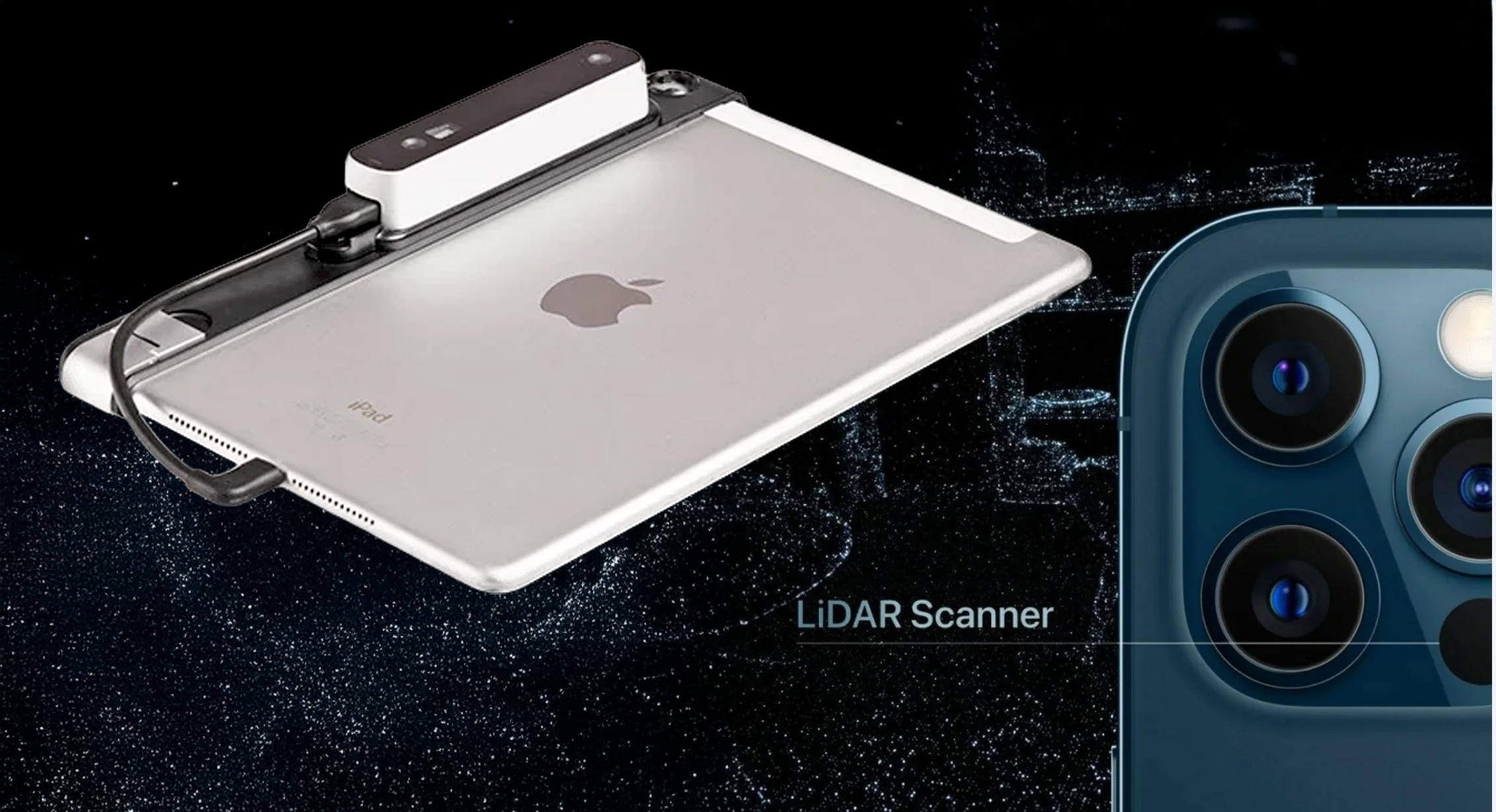
We get the idea, simple, fast, inexpensive, but today it's not at the level needed for reliable design. In practice, we often see a 3 to 4% difference in circumferences with mobile scanning, plus smoothing that wipes out shapes, distortions as soon as there's movement, and little to no step-by-step validation. Result: you have to re-take measurements, correct, and do more adjustments, recovering that time at the fitting. So there's no real time saved in the end.
VYTRUVE-compatible scanners
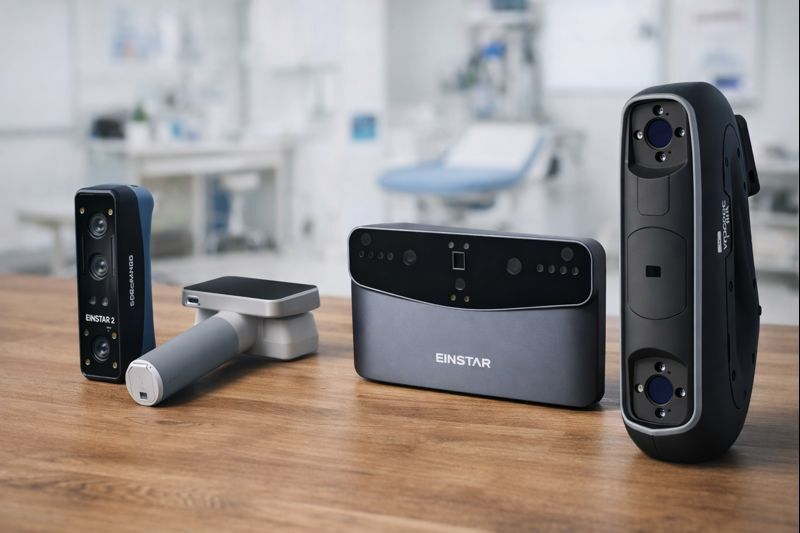
Compatible for scanning a residual limb or a positive and importing into VYTRUVE: Shining Medixa, Shining Einstar, Shining Einscan H, Shining Einscan HX, Peel 3, Scantech iReal 2E, Creaform HANDYSCAN, Creaform GOSCAN, Creaform METRASCAN, Artec LEO, Artec SPACE SPIDER, Artec EVA.
Key point: inside-of-socket scanning
If your goal includes scanning the inside of a socket (updating a test socket, full digital transfer, working with the Vtransfer plate), this is a more demanding use case: compactness, tracking in a closed geometry, and a clean result without artifacts. It is also the capability that separates the machines, so check it specifically rather than trusting a general accuracy figure.
Field feedback on recent scanners
Medixa

Updated. At launch, the Medixa could not scan the inside of a socket, which blocked any renewal workflow based on digitization. That limitation has been lifted: after technical feedback from our teams to Shining 3D, the Medixa is now fully operational, both for direct scanning on the patient and for digitizing your sockets. Tracking has also improved.
What makes it stand out day to day: it runs standalone, with no PC connected during the scan, it is battery-powered and fully wireless, which genuinely simplifies moving around the patient, and it gives you visual feedback in real time on the device itself. An upcoming integration will let you reach the VYTRUVE platform directly from the scanner to open your checklist and upload your scans.
Price: €4,950 / $5,700, one-time purchase. It is the scanner we recommend to start with.
Einstar
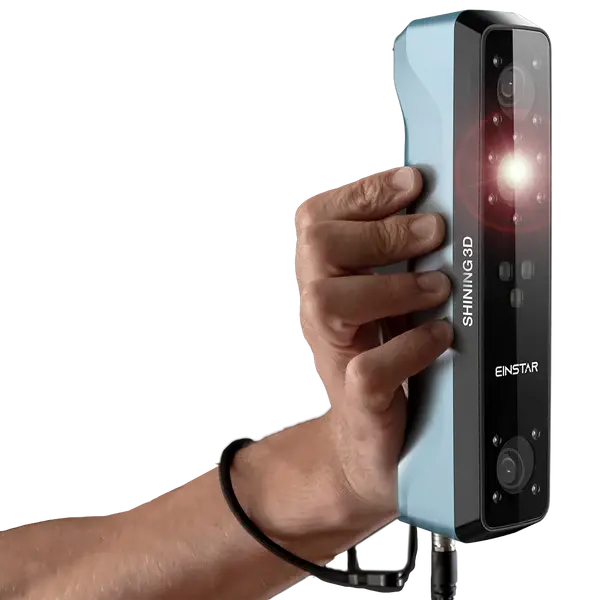
Still an excellent choice, and by far the most budget-friendly way in: it covers the residual limb and the positive, and it remains solid on the inside of a socket with the Vtransfer plate. Resellers currently list it from around €689, VAT included. If you already own one, there is no reason to replace it.
Einstar 2
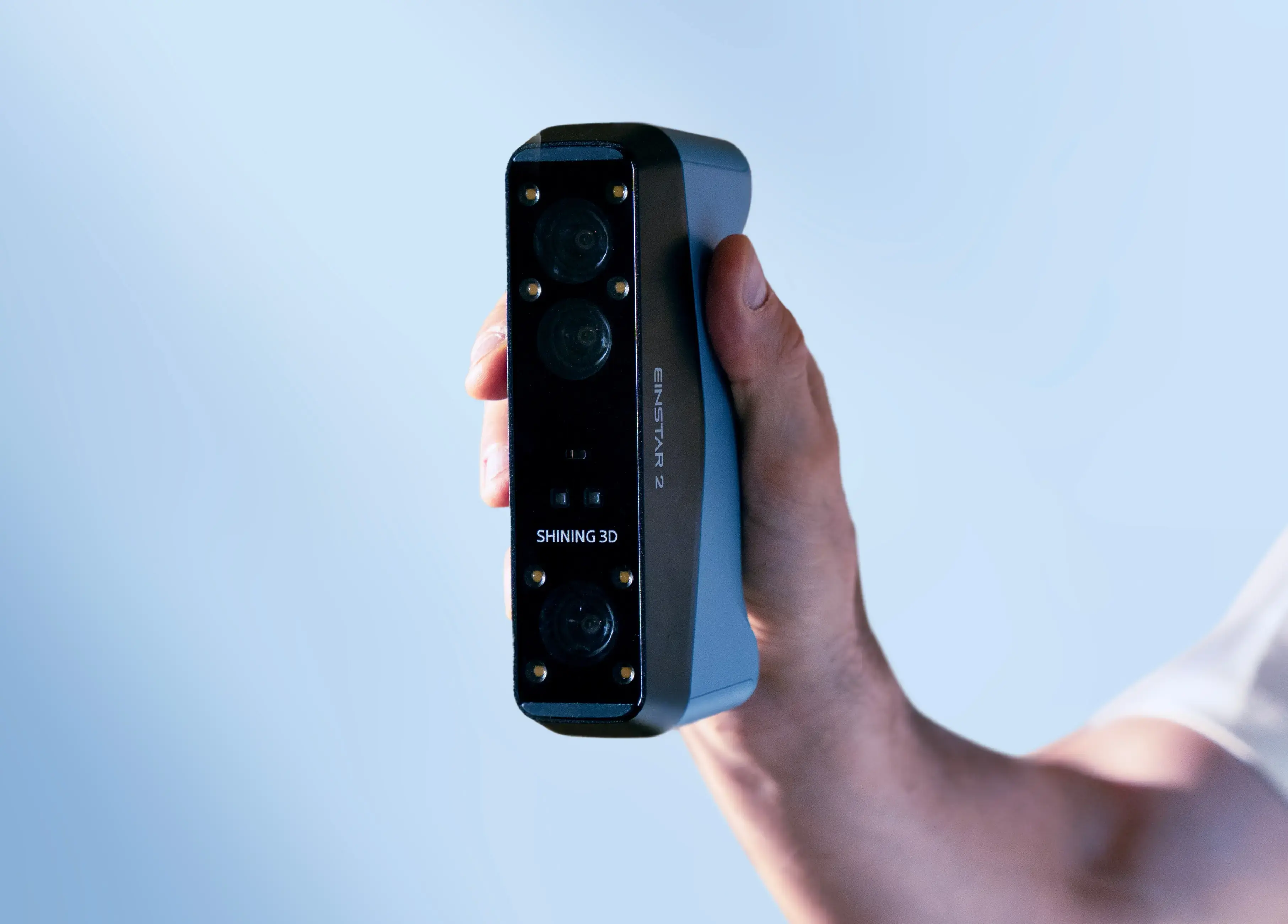
For inside-of-socket use, we currently observe a step back compared to the Einstar (more artifacts, less stable reconstruction, heavier post-processing). Wireless can also be limiting in a workshop setting.
Vega

Tested and not recommended as a standard option at this stage, with focus ranges that aren't ideal for residual-limb scanning, slower post-processing, and tracking that can be less robust on some TT cases.
Making the right choice
Check for: color, geometric accuracy, stable tracking, pause and resume, the ability to scan the inside (form factor plus the Vtransfer plate), and easy export/import such as .ply.
Our field-tested recommendation
The Medixa is our reference scanner, and the one we recommend to start with: wireless, standalone, nothing to configure on the computer side, and now capable of both patient scanning and socket digitization. It is the shortest path from unboxing to a usable case.
The Einstar remains the most budget-friendly entry point, and a perfectly valid one, especially if you already have it in the workshop or if the initial investment is the deciding factor.
Either way, the deciding question is the same: will you need the inside of a socket? If yes, test that specific use case before you buy, whatever the brand.