HOW IT WORKS
How VYTRUVE works, from scan to fit.
A complete digital workflow that replaces plaster casting, while keeping every clinical decision in your hands.
Book a demoNo 3D skills required · Works in your browser
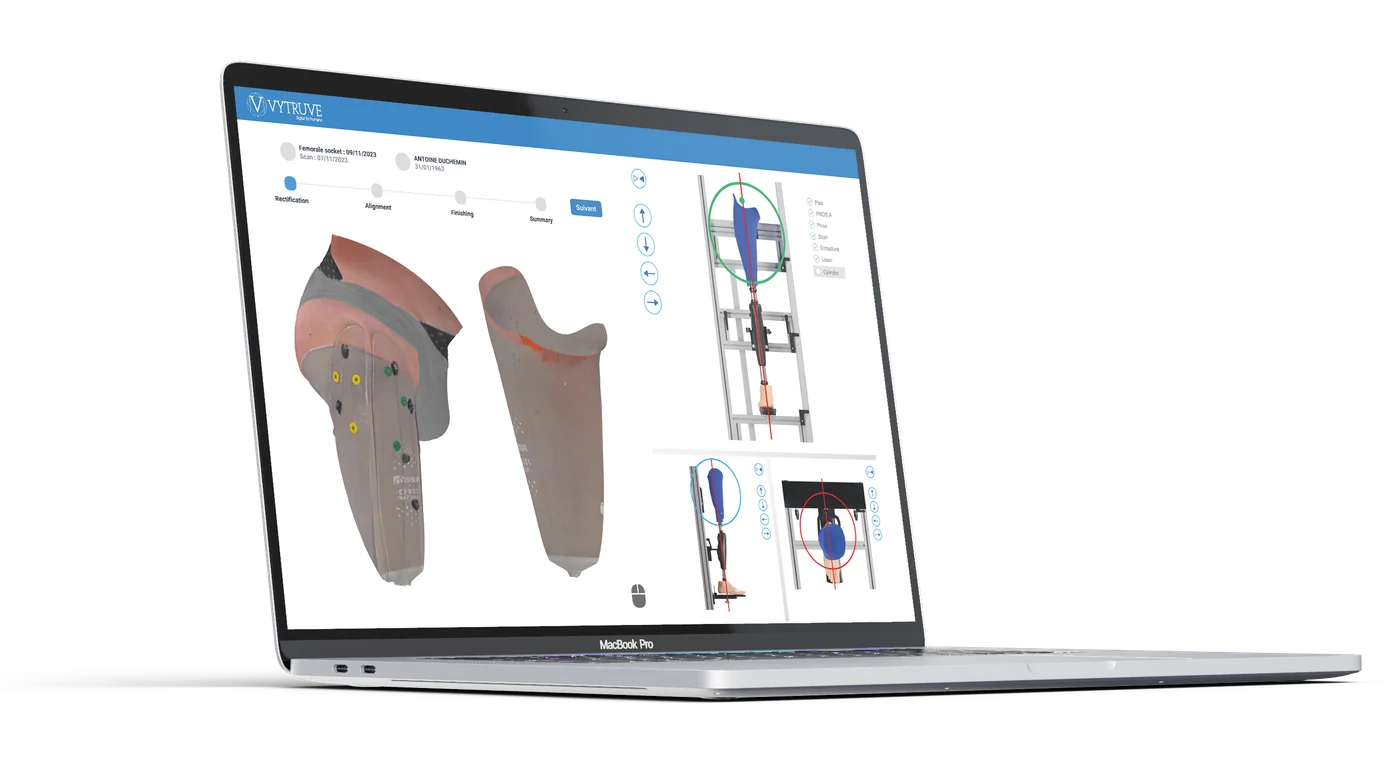
A complete digital workflow that replaces plaster casting, while keeping every clinical decision in your hands.
%20(2).webp)
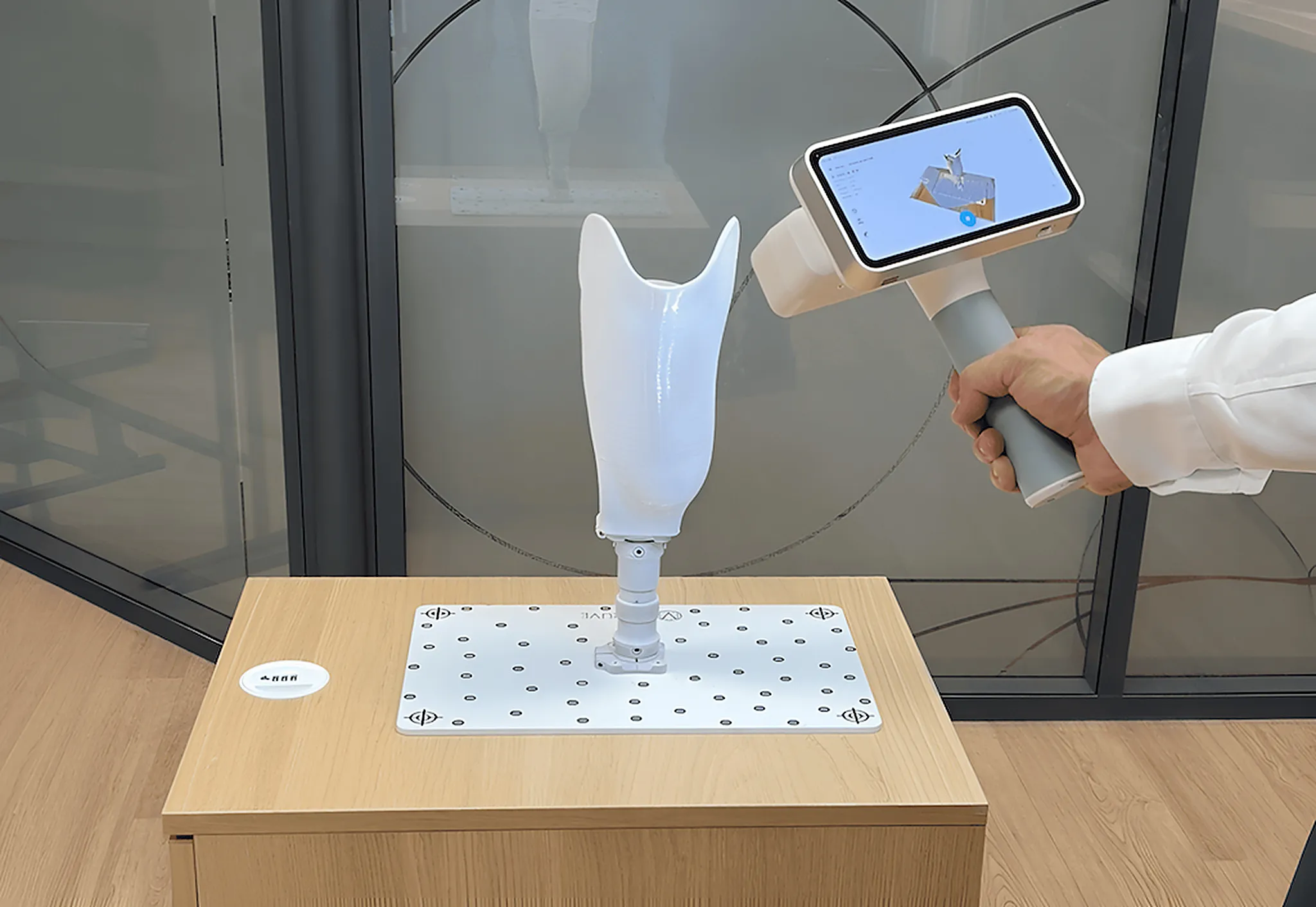
Create the patient for long-term follow-up, then capture the residual limb in full color with a validated 3D scanner. Compare two scans to see how the volume changed and know when the limb is stable enough to fit. No plaster, no mess, more comfort for the patient.
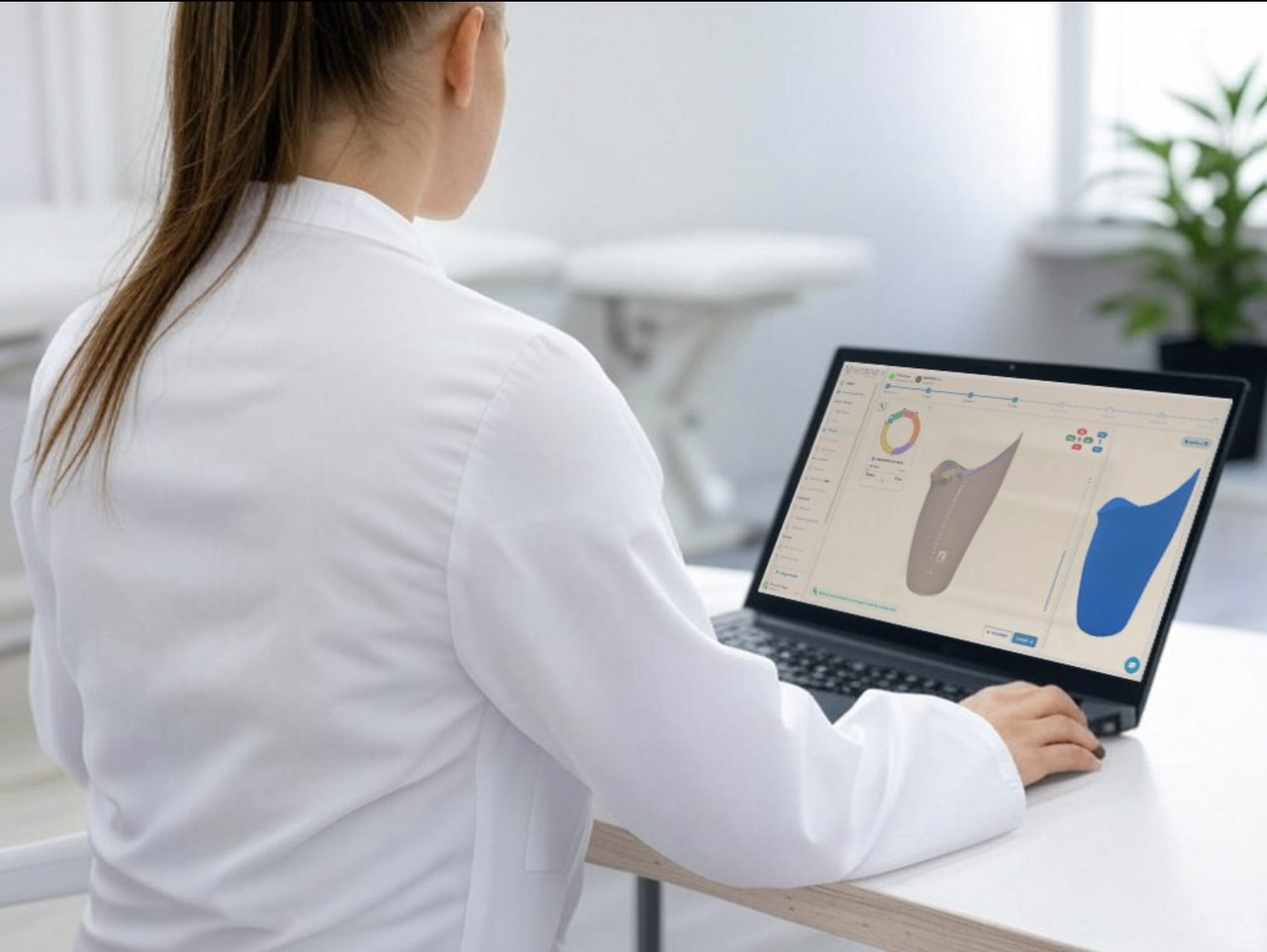
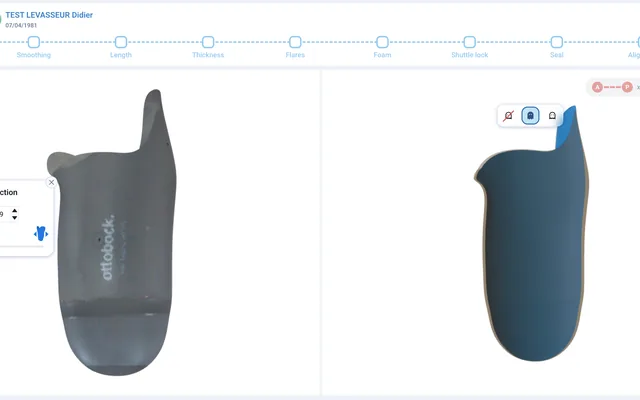
Modify the socket in your browser, with the same steps you use in the workshop.
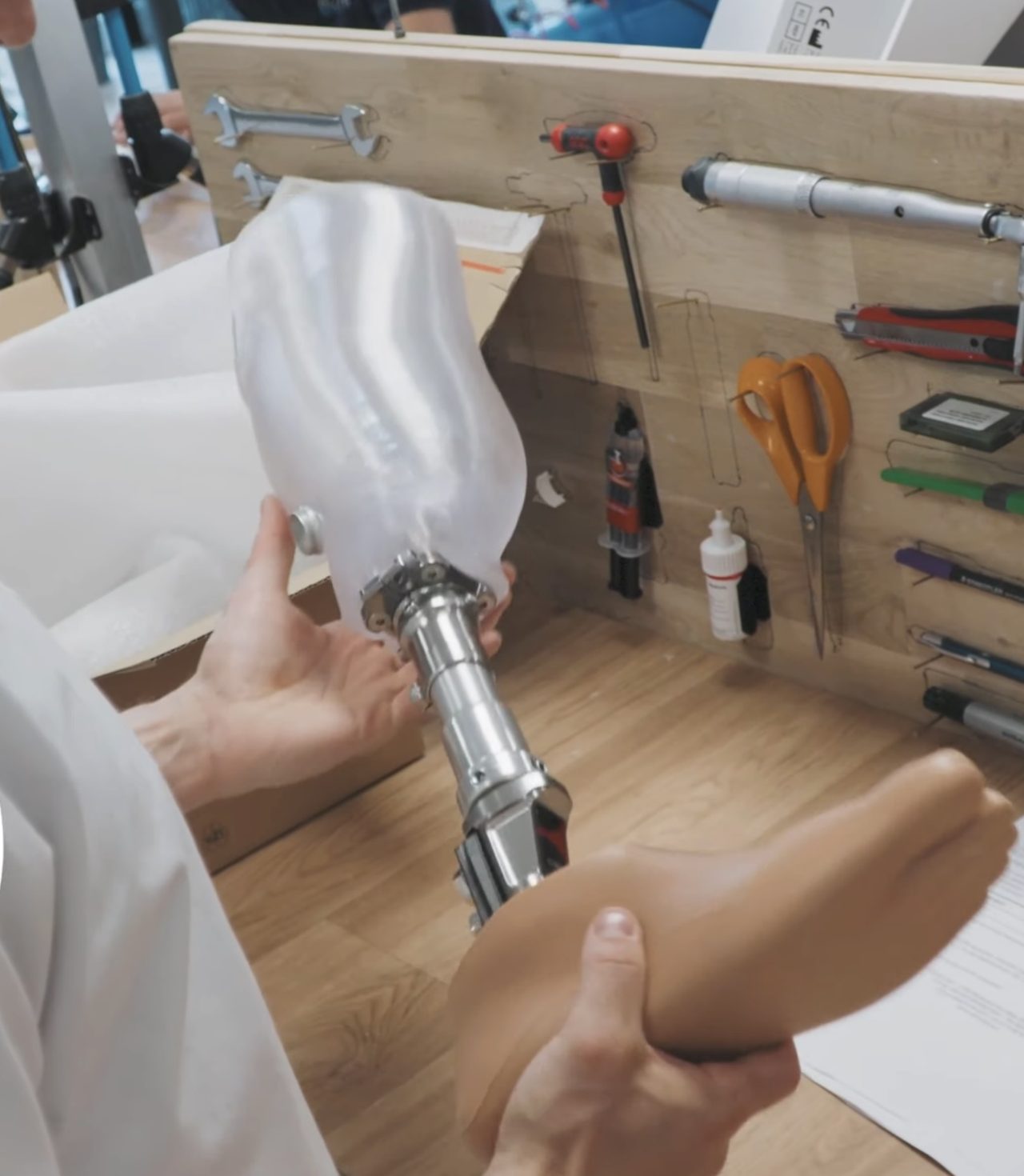
Get a true check socket, no equipment required.
Delivered in 72 hours as standard, or 48 hours express on transtibial and upper limb
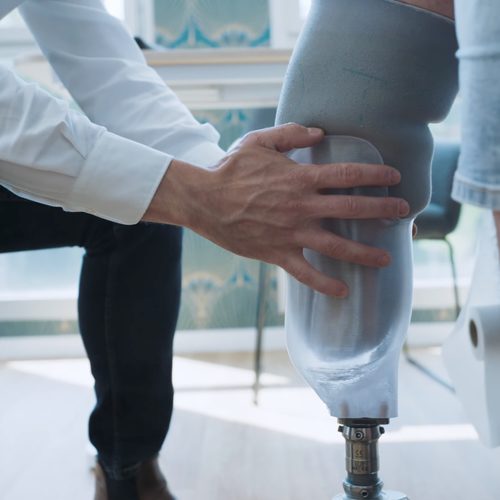
Fit the check socket on the patient, validate comfort and alignment, and fine-tune in front of them.
Transfer the exact shape and alignment of the validated check socket to the definitive, in 10 minutes, no new cast.
Build the definitive socket, laminated carbon, 3D-printed or silicone, depending on the case.
VYTRUVE reproduces the decisions you make at the bench, by measurement, by section, with control over every zone.
Reduce and shape to exact figures, not by eye.
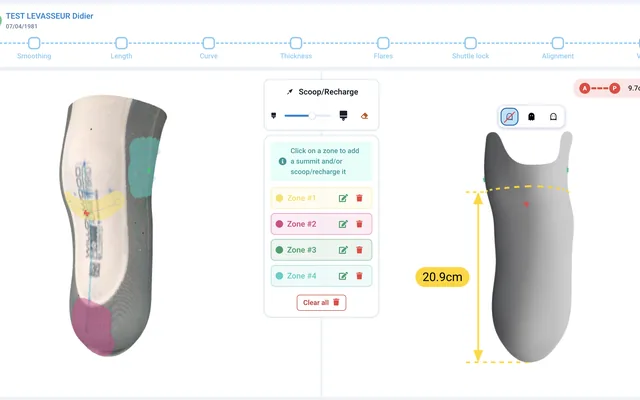
Work cross-section by cross-section, one slice at a time.
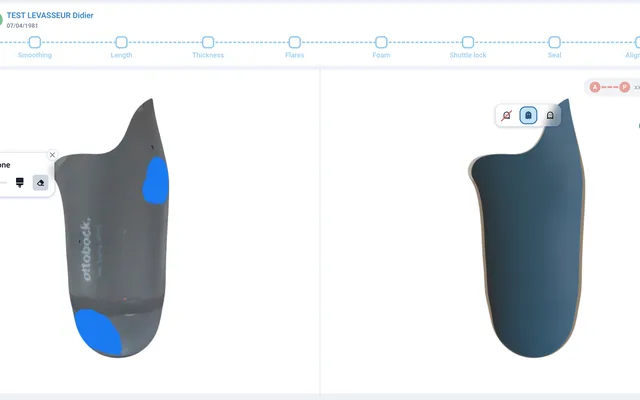
Lock the areas you don't want to touch; modify only what matters.
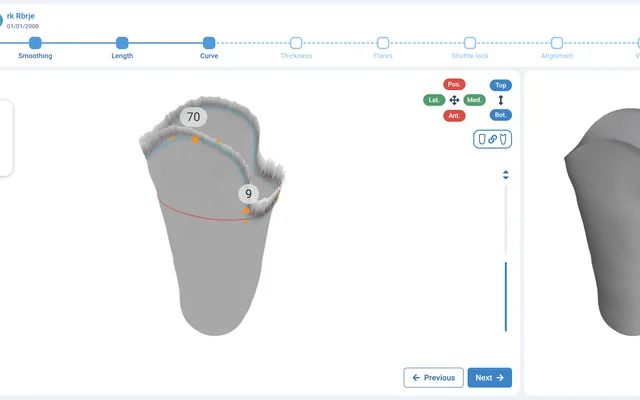
Define and adjust trim lines digitally.
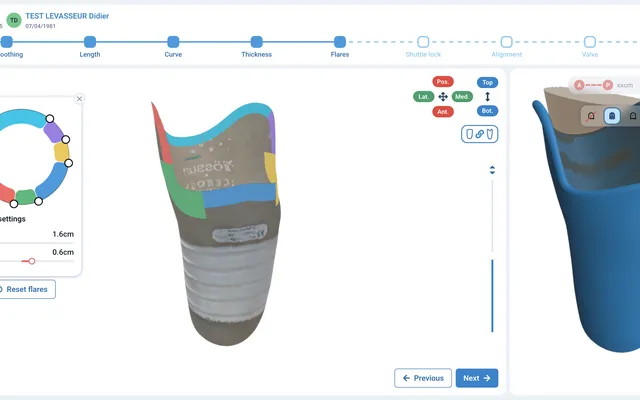
Add flares where the limb needs relief.
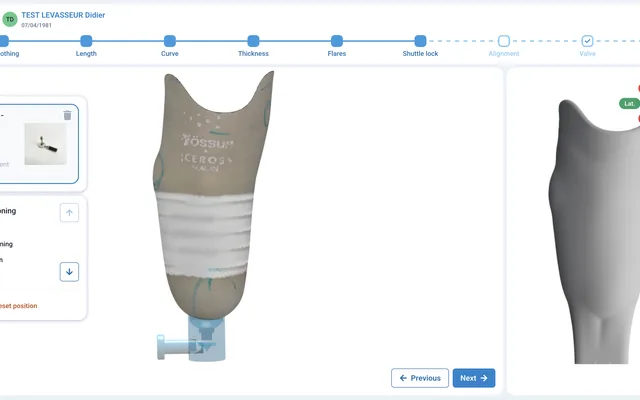
Vacuum (air) or distal-lock suspension, your choice.
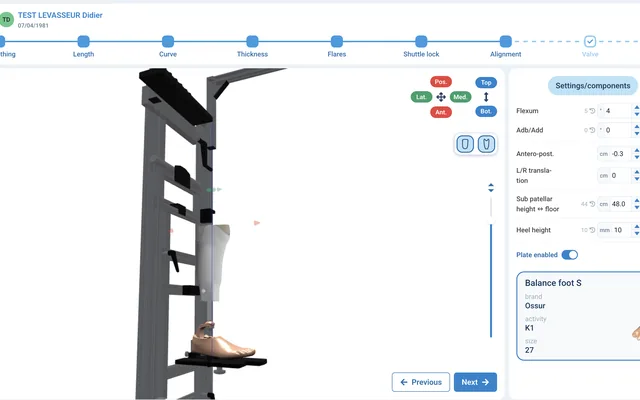
Align with manufacturer foot data built in (Össur, Ottobock and others) and get the exact pylon length to cut.
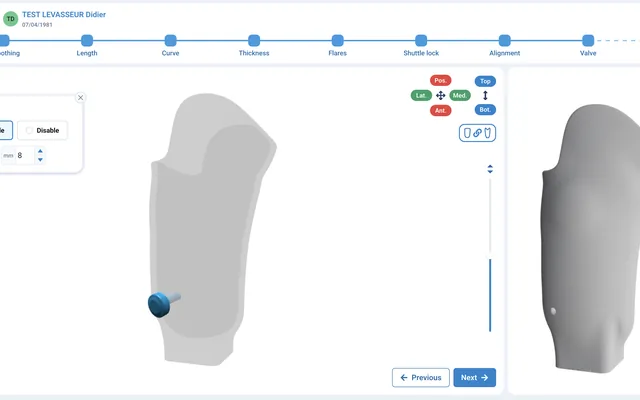
Place a valve exactly where it's needed.
The VTF tool holds the ischial seat while the patient stands, so you capture the shape the limb actually takes in weight-bearing, not the shape it takes lying down.
You rectify from the patient's own shape instead of a library of measurements, the socket comes out more comfortable, and a CPO picks up the method in a single session.
Book a demo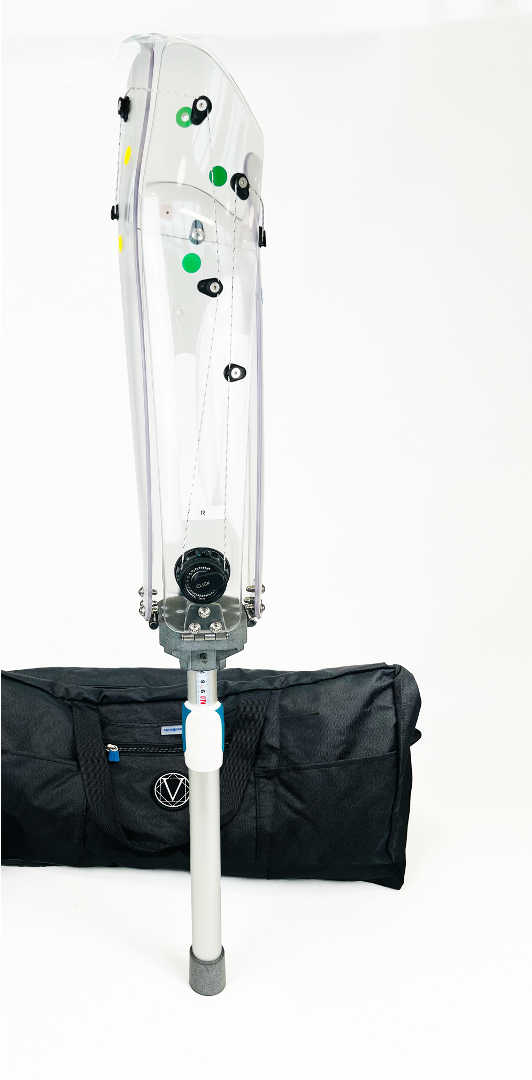
The patient is scanned with the brim already in place. It shapes the proximal part of the socket on the spot, so there is no proximal rectification left to redo. In VYTRUVE, rectifying comes down to reducing to the measurements you took on the patient.
The socket is built around the Össur brim. Our algorithm is trained on its exact geometry, and that is what carries the proximal shape straight from the scan through to the print.
One pass on the patient, brim positioned 1 cm below the ischium, level with the top of the greater trochanter. Three landmarks, the circumferences, and you scan.
No proximal rectification. You apply the measurement sheet, smooth, and adjust until the figures match what you took on the patient.
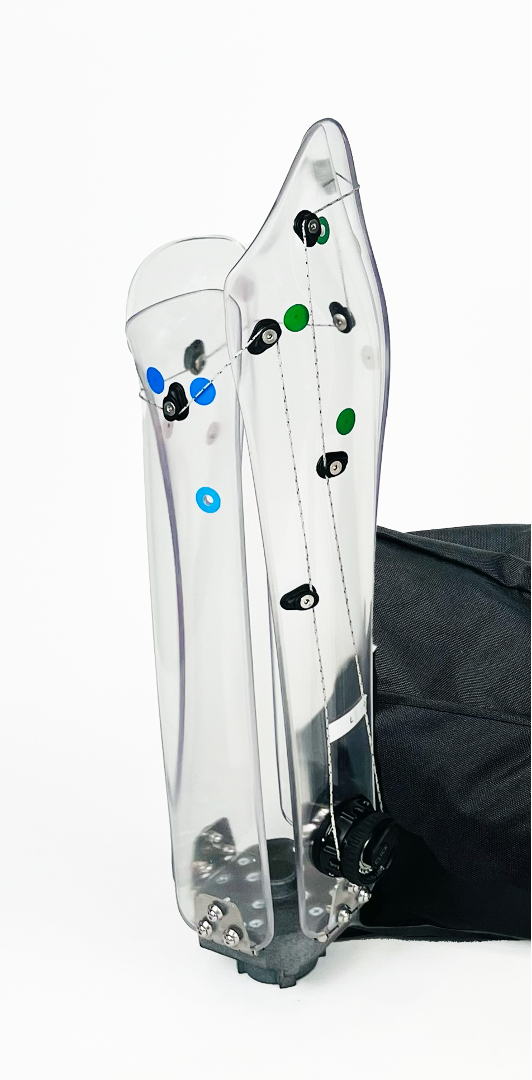
A 5 mm PETG check socket arrives sanded, with the four-hole plate inserts already fitted. You bond the silicone brim and go straight to the fitting.
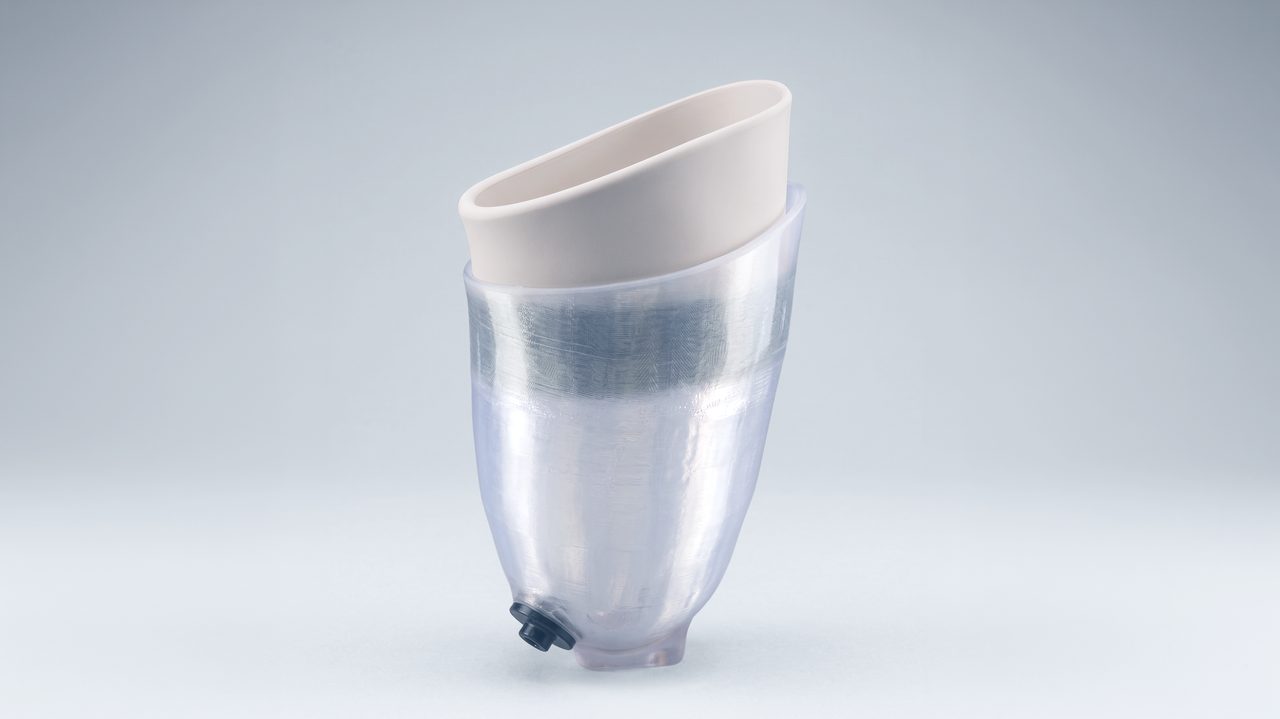
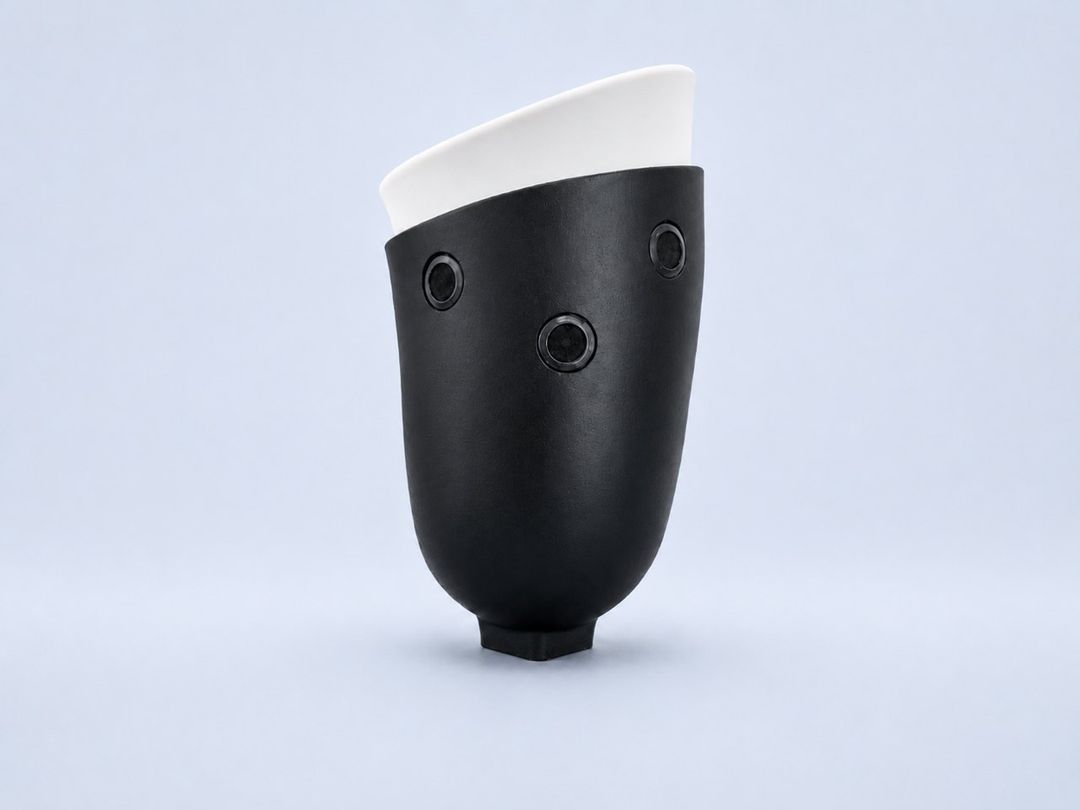

You assess the patient, choose the socket design and suspension, and make every rectification call. VYTRUVE only changes the medium, not your judgment.
No hardware investment, no learning curve. We print your sockets and deliver them in 72 hours as standard, or 48 hours express on transtibial and upper limb. Transfemoral and sub-ischial sockets stay at 72 hours.
Scan at 6 p.m., fit the socket the next morning. Slicing comes with the printer and is managed remotely by VYTRUVE, so you press print and nothing else.
Already have a 3D printer? Export the file and produce it yourself. Slicing, settings and print result stay in your hands, exactly as they are today on your own machine.
Most prosthetists work independently after their first two or three transtibial cases. Until then, and any time after, we open the exact file you are working on: a technical problem, a tricky rectification, a last check before an order. You share the case, not the patient's identity.
Live chat from inside the app, or support@vytruve.com
-png.png)
All you need to start is a validated 3D scanner, the Medixa, and a laptop running Chrome. Book a 30 minute demo and we will run the whole workflow on one of your own cases, from scan to finished socket.

Head of Sales
30 min · Online · No commitment
Or ask our virtual assistant first: it answers all your questions, any time, and connects you with the team.